
Understanding ai Roleplay: An Overview
In the ever-evolving landscape of technology, the integration of artificial intelligence (AI) into various domains has opened new avenues for engagement and interaction. One of the most intriguing developments in this realm is ai roleplay, a concept that marries the creativity of roleplay with the computational power of AI. This intersection not only enhances learning experiences but also transforms how we approach skill acquisition and interpersonal interaction across diverse fields.
What is ai Roleplay?
At its core, ai roleplay refers to the use of artificial intelligence to simulate interactive environments where participants can engage in roleplaying scenarios. These AI systems can either act as facilitators or even as characters within the scenarios, adapting their responses based on participant inputs. This creates a dynamic environment that can mimic real-world interactions, making it an invaluable tool for training, education, and entertainment.
The Evolution of Roleplay in Technology
Roleplay has long been a part of human culture, from traditional storytelling to modern gaming. However, the advent of AI has significantly altered its landscape. Initially, roleplay was limited to human actors, but now, AI can create complex characters that learn and evolve with each interaction. This has led to more immersive and personalized experiences, paving the way for applications in various sectors, including education, healthcare, and corporate training.
Benefits of ai Roleplay in Learning Environments
Integrating ai roleplay into learning environments offers several benefits:
- Enhanced Engagement: Students are often more engaged when learning through interactive scenarios rather than traditional methods.
- Real-time Feedback: AI systems can provide immediate feedback, allowing learners to adjust their strategies and improve their skills dynamically.
- Safe Learning Space: Roleplay scenarios can simulate high-stakes environments, allowing learners to practice without real-world consequences.
- Diverse Learning Styles: AI can cater to varying learning styles, providing resources tailored to individual needs.
Setting Up Your ai Roleplay Experience
Essential Tools and Technologies
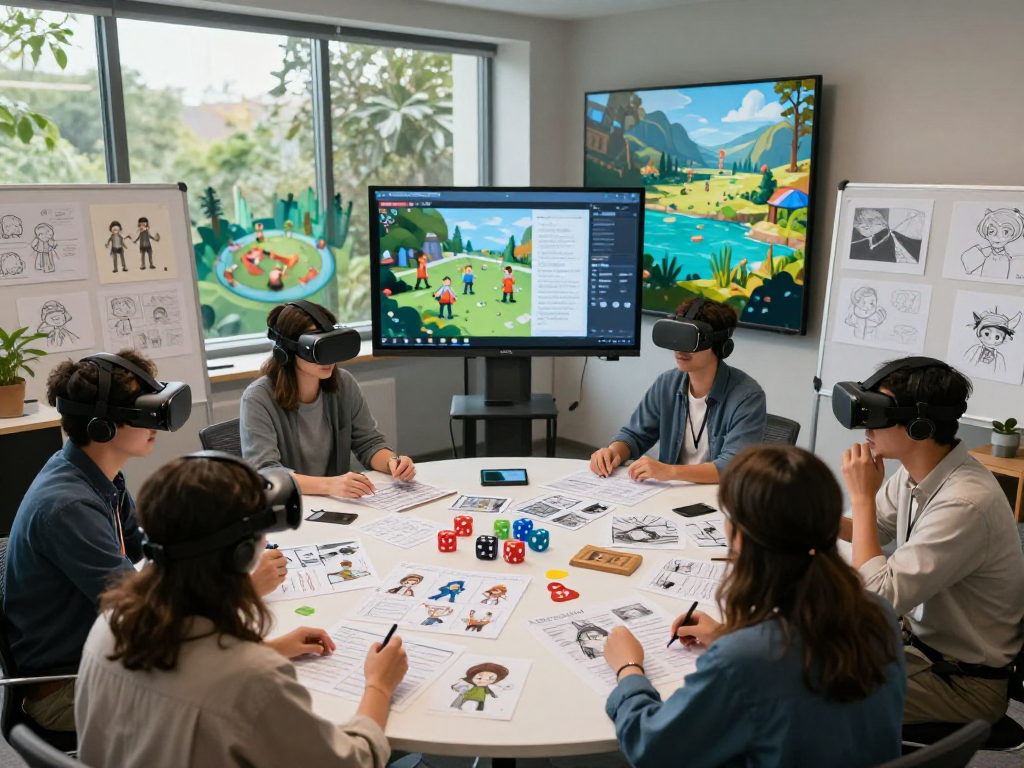
To create an effective ai roleplay experience, specific tools and technologies are essential. These may include AI software that can generate character dialogues, study scenarios, and learning metric trackers. Additionally, platforms that enable virtual reality (VR) experiences can further enhance roleplay engagements, providing students with immersive environments that mimic real-world challenges.
Designing Interactive Scenarios
When designing scenarios for ai roleplay, it's crucial to create realistic and relevant situations that allow participants to apply their knowledge and skills. Consider the objectives of the roleplay and outline the scenarios that will best achieve these goals. The scenarios should challenge participants to think critically and respond creatively, ensuring a meaningful learning experience.
Creating Engaging Characters and Narratives
Characters play a vital role in ai roleplay, as they drive interaction and engagement. Creating relatable and complex characters requires understanding the target audience's preferences and motivations. The narratives should be rich and flexible, allowing for multiple outcomes based on participants' decisions, which enhances both engagement and learning retention.
Best Practices for Facilitating ai Roleplay
Strategies for Effective Moderation
Moderating an ai roleplay session is critical to ensuring that it remains engaging and educational. Effective moderators can guide discussions, facilitate interactions, and keep participants on track. Strategies may include setting clear expectations, encouraging collaboration, and being adaptable to the flow of the conversation.
Encouraging Participation and Creativity
To maximize the effectiveness of ai roleplay, it’s essential to foster an environment that encourages participation and creativity. This could involve using icebreaker exercises at the beginning of a session or providing prompts that spark imagination. Recognition of individual contributions also boosts confidence and willingness to engage.
Handling Challenges and Conflict in Roleplay
Conflict is often an inherent part of roleplay, as participants may have differing opinions or strategies. Facilitators should be prepared to handle these situations constructively, guiding participants to resolve conflicts through dialogue and negotiation, which can enhance the learning experience and develop critical social skills.
Real-World Applications of ai Roleplay
Case Studies in Education and Training
Many educational institutions have adopted ai roleplay for immersive learning experiences. For example, language schools utilize AI to simulate conversation practice with native speakers, helping students enhance their speaking and listening skills in a supportive environment.
ai Roleplay in Team Building and Corporate Training
Corporate training programs have increasingly turned to ai roleplay to develop soft skills among employees. Companies leverage simulated workplace scenarios to train employees on conflict resolution, leadership, and teamwork, thus enhancing their workplace dynamics and productivity.
Healthcare Training: Roleplay for Empathy Development
In healthcare, ai roleplay is used to train professionals in patient interaction and empathy. Simulated patient scenarios help healthcare providers practice communication skills and develop a deeper understanding of patient experiences, ultimately leading to better patient care.
The Future of ai Roleplay: Trends for 2026 and Beyond
Emerging Technologies Impacting Roleplay
The future of ai roleplay is poised for growth with advancements in technologies such as natural language processing and augmented reality. These technologies will allow for even more sophisticated interactions and can create more lifelike simulations, further bridging the gap between roleplay and real-world experiences.
Predicted Changes in User Engagement
As technology evolves, user engagement with ai roleplay is expected to become more personalized and responsive. AI systems will be able to analyze user behavior and preferences, tailoring experiences that resonate with individual participants, ensuring higher retention rates and satisfaction levels.
The Growing Demand for Virtual Roleplay in Various Industries
As industries continue to recognize the benefits of ai roleplay, the demand for these solutions is anticipated to soar. From education to corporate training, healthcare to entertainment, organizations are increasingly adopting roleplay methodologies to enhance learning and engagement, setting the stage for comprehensive growth in this area.
What are the key benefits of ai roleplay?
The key benefits of ai roleplay include enhanced engagement, real-time feedback, a safe learning environment, and the ability to cater to diverse learning styles.
How can I get started with ai roleplay?
To begin with ai roleplay, identify the tools and technologies you need, design your scenarios, and consider the character dynamics that will best engage participants.
What tools do I need for effective ai roleplay?
Essential tools for ai roleplay include AI software for character interaction, platforms for hosting sessions, and possibly VR technology for immersive experiences.
Can ai roleplay be used in corporate training?
Yes, ai roleplay has proven to be effective in corporate training, helping employees develop soft skills and improve teamwork and communication.
What future trends will impact ai roleplay?
Future trends that will impact ai roleplay include advancements in AI technologies, increased demand for personalized experiences, and a broader acceptance of virtual training across various industries.